

Understanding ABA Therapy
If you are just starting to explore support for your autistic child, you may be hearing about ABA therapy for the first time.
We’re here to give you a clear, simple understanding of what ABA is, how it works, and what it can look like for your family.
What is ABA Therapy?
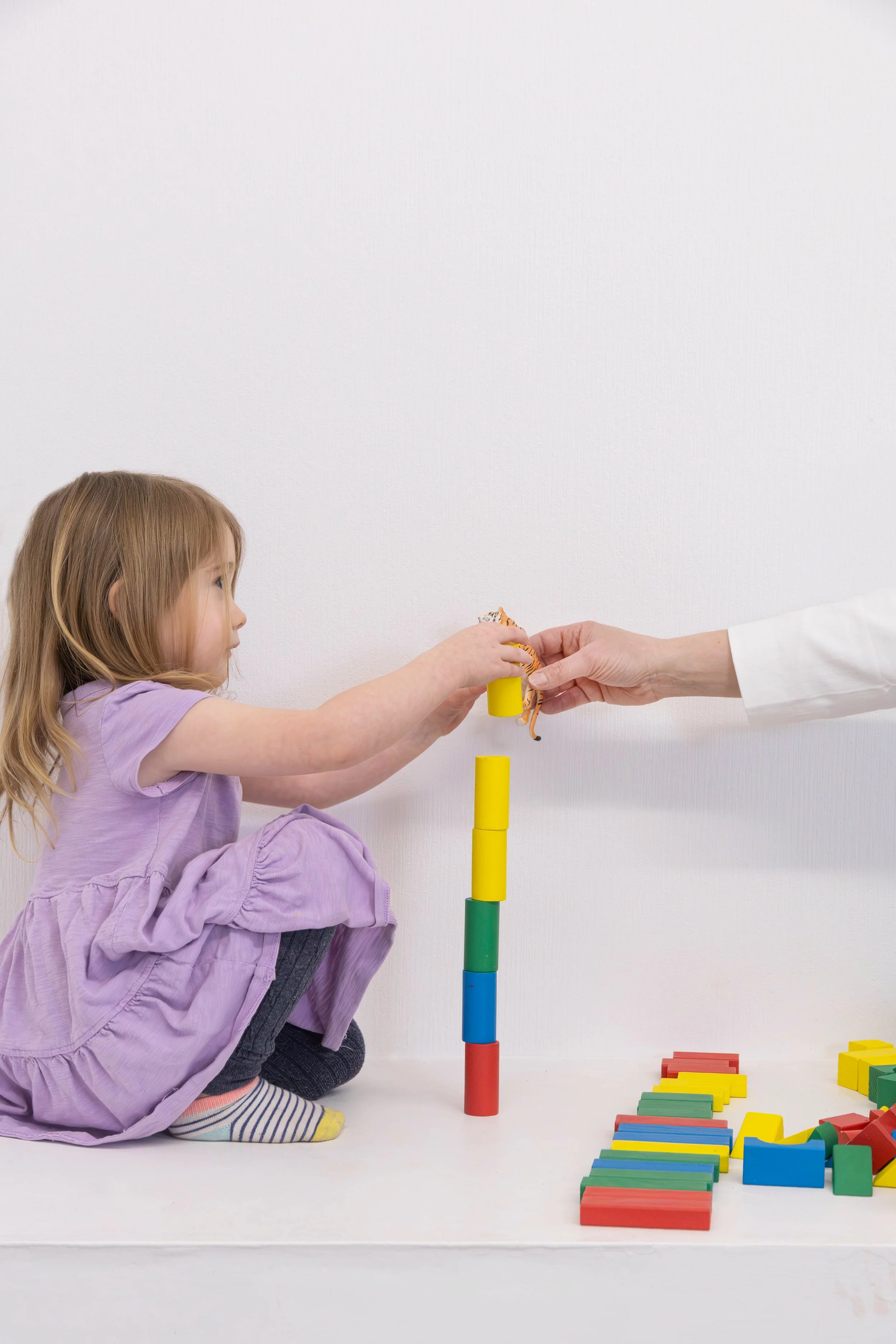
Applied Behaviour Analysis (ABA) therapy is an evidence-based approach that helps children learn meaningful skills and build independence over time.
ABA focuses on understanding how children learn, and using that understanding to teach new skills in a structured, supportive way.
ABA therapy at Sam I Am is always individualized. Each program should be designed around your child’s strengths, needs, and learning style.
For autistic children, this can include learning how to:
-
Communicate needs and ideas.

-
Build relationships and social skills.

-
Develop independence in daily routines.

-
Navigate emotions and transitions.
-
Participate more fully at home, school, and in the community.

-
Gain confidence.

How ABA Can Help
ABA therapy is used to facilitate progress in areas that matter most to your child and your family.
Goals are developed collaboratively with your ABA team, so that the work being done is meaningful and relevant to you and your child’s daily life.
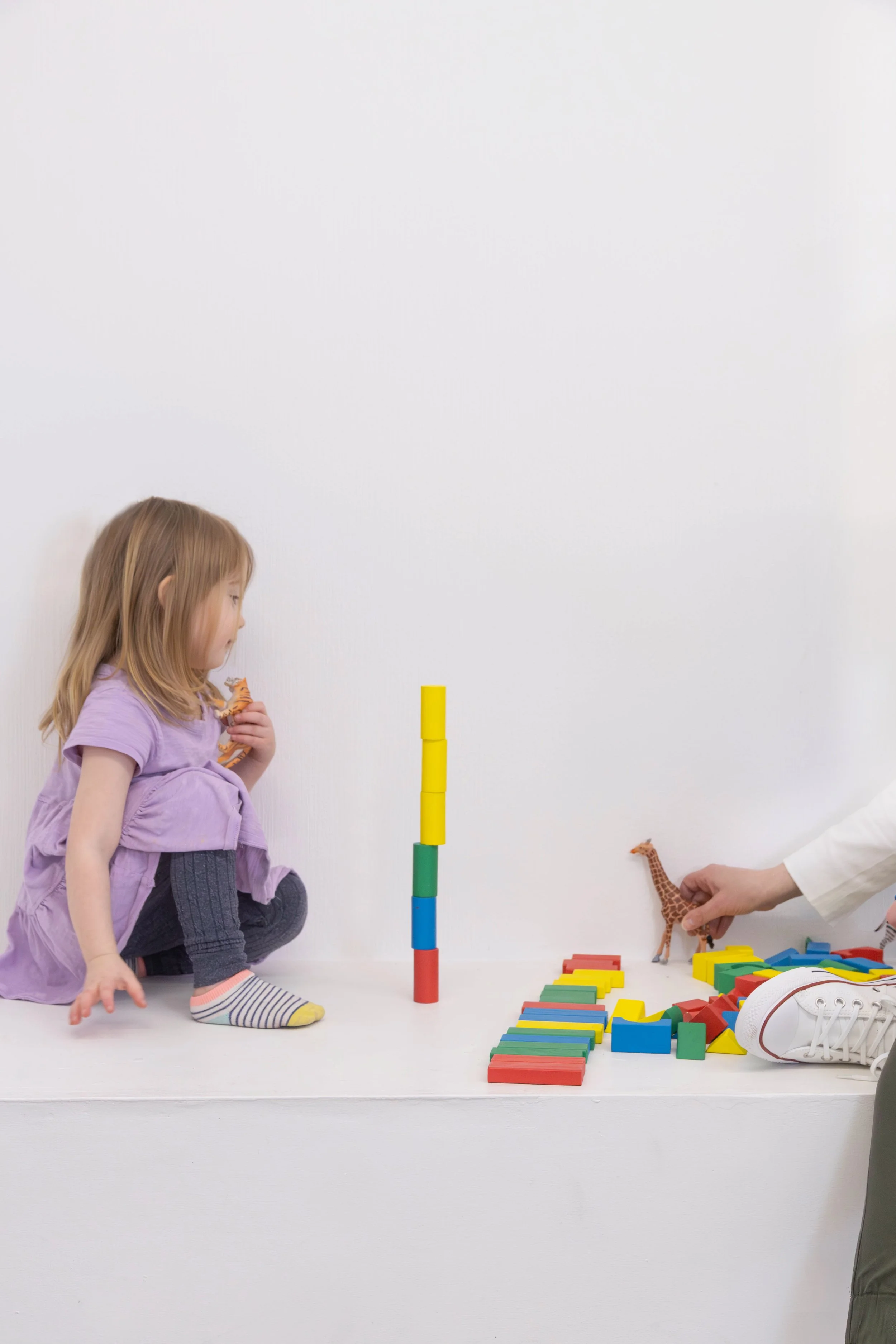
Some common areas of focus include:
Communication and language
Play and social interaction
Daily living skills, such as dressing or toileting
Emotional regulation
Building patience and tolerance
School readiness and learning skills
What ABA Therapy Looks Like
At Sam I Am, ABA therapy is not one size fits all. We design each program to fit into your child’s real life experiences.
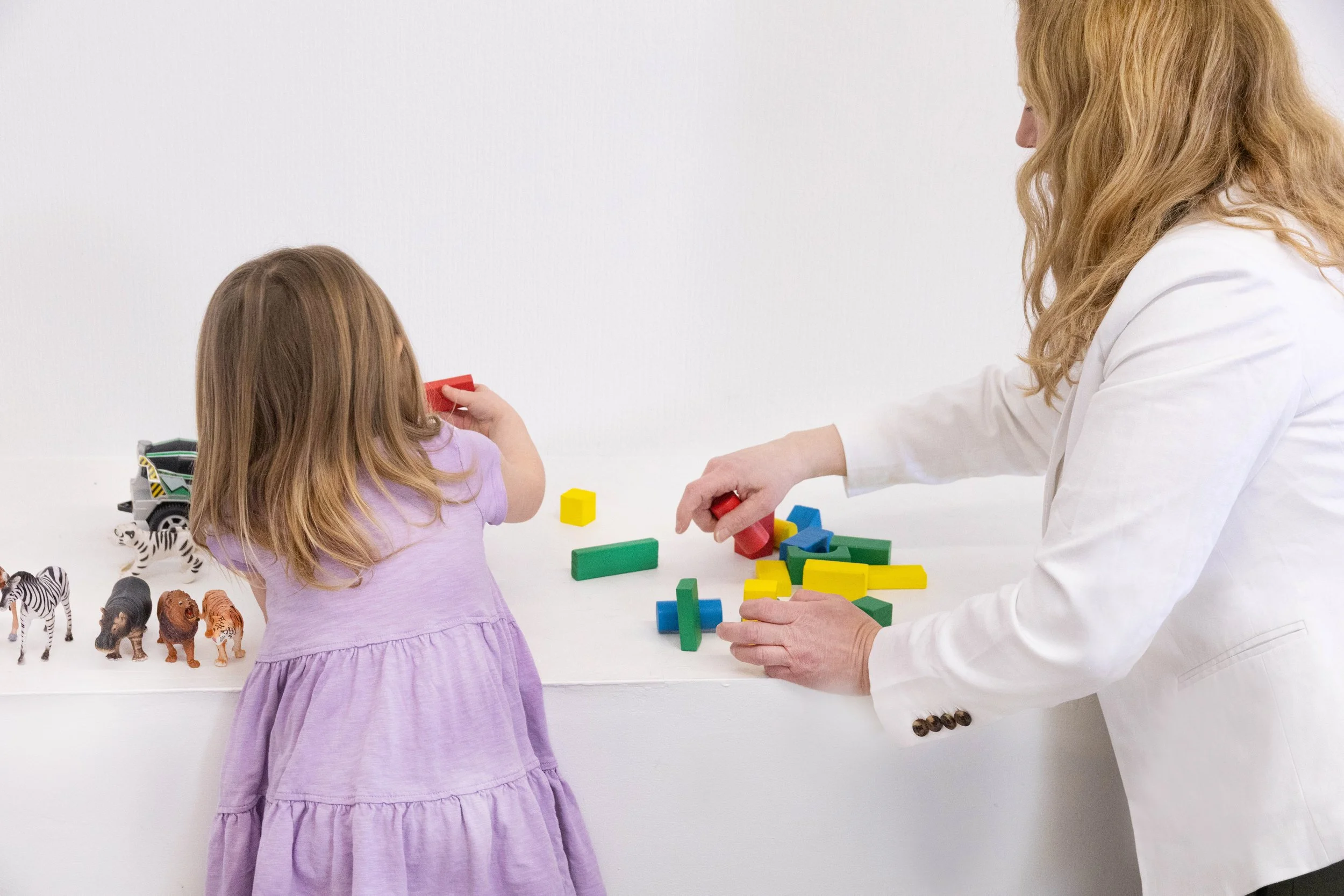
Sessions often take place in your home, where your child is most comfortable and where skills can be practiced naturally. In some cases, support may also take place in school settings.
Your child will work with a Registered Behaviour Analyst, or a behavioural clinician under their supervision, to build skills step by step through guided activities, play, and everyday routines.
We closely monitor your child’s progress and adjust programming as needed to support learning, development, and evolving goals over time.
Working Together as a Family
Family involvement is a key part of ABA therapy. You know your child best, and your input helps shape goals, strategies, and progress.
This shared approach helps create consistency and leads to better outcomes over time.
Throughout the process, you will work closely with your ABA team to:

Identify priorities for your child and family.
Understand the strategies being used.
Support skill development outside of sessions.

Getting Started with ABA Therapy
Starting ABA therapy begins with a conversation.
You will meet with your Registered Behaviour Analyst to talk about your child, your concerns, and your goals.
From there, various assessments are completed to better understand your child’s current skills and needs.
Your ABA team will continue to adjust your child's program to reflect THEIR growth and changing needs.
Together we will:
-
01
Identify initial goals.
-
02
Gain an understanding of your child’s comfort level and personality.
-
03
Assess your child’s current skills and needs.
-
04
Develop a personalized ABA support plan.
-
05
Begin sessions in a way that feels manageable and supportive.
-
06
As your child progresses, goals will evolve.

Choosing an ABA Provider
Finding the right provider is an important step. It is also important that you feel comfortable and confident with the team you choose.
When comparing options, it can be helpful to look for:
A Behaviour Analyst registered with the CPBAO and certified as a BCBA
Experience working with autistic children
A clear, evidence based approach
A collaborative and supportive style
Continue Exploring
Learn more or take the next step.
The Blog
Explore articles and information about ABA therapy.
Services
Learn how ABA therapy works at Sam I Am and what to expect.
Resources
Explore funding options, supports, and additional information for families.
Contact
Book a discovery call to see if ABA therapy is the right fit for your child.